
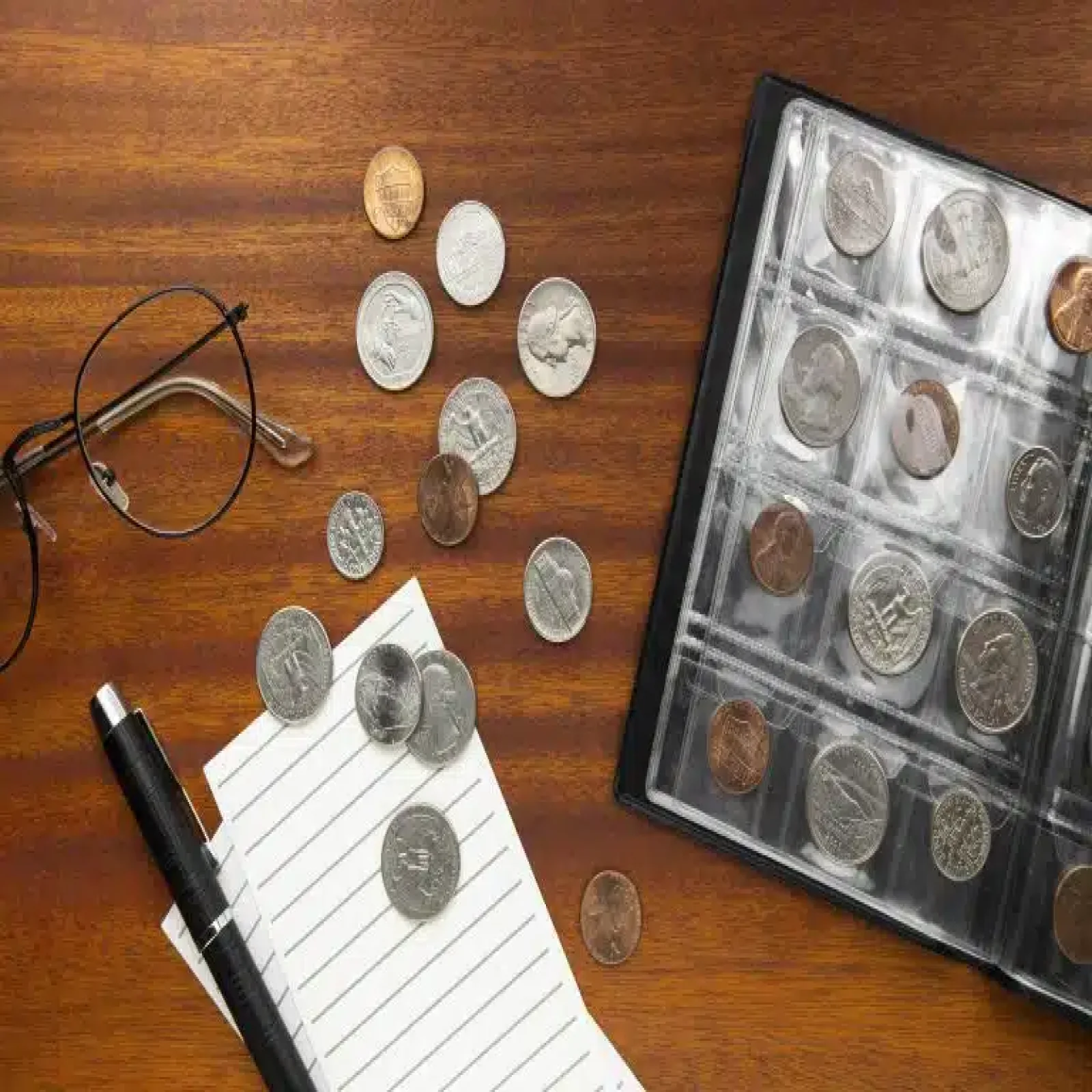
Provenance is often assumed to be something you find. In reality, it is something you can build. A professional collector treats documentation as part of the collecting process, not an afterthought.
Why Build a Documentation System
Documentation adds credibility and improves resale confidence. It also helps you track condition, acquisition costs, and market trends over time.
Start With a Simple Inventory Log
A basic system is enough to transform your collection into a documented asset.
- Item name, denomination, and issue year.
- Acquisition date and source.
- Grade or condition assessment.
- Price paid and current value range.
- Notes on defects, repairs, or special features.
Link Documents to Items
Every document should clearly reference the item it supports. Use a consistent ID or catalog number across photos, receipts, and notes.
Digitize Everything
Digital documentation is essential for long-term preservation and easy sharing with buyers or insurers.
- Scan certificates and invoices.
- Photograph items in consistent lighting.
- Store backups in more than one location.
Maintain a Routine
Professional collectors update records as soon as a purchase is made or a sale occurs. A monthly review prevents gaps and keeps data accurate.
India-First Advantage
In the Indian market, organized documentation is still rare. Collectors who adopt a system gain immediate credibility and can command stronger prices.
Collector’s Checklist
- Create a consistent inventory log with unique IDs.
- Attach acquisition records to each item.
- Digitize documents and back them up.
- Update records immediately after transactions.
- Use documentation to support insurance and resale.
Provenance is a habit. Build it now, and your collection will be stronger, more trusted, and more valuable for years to come.