
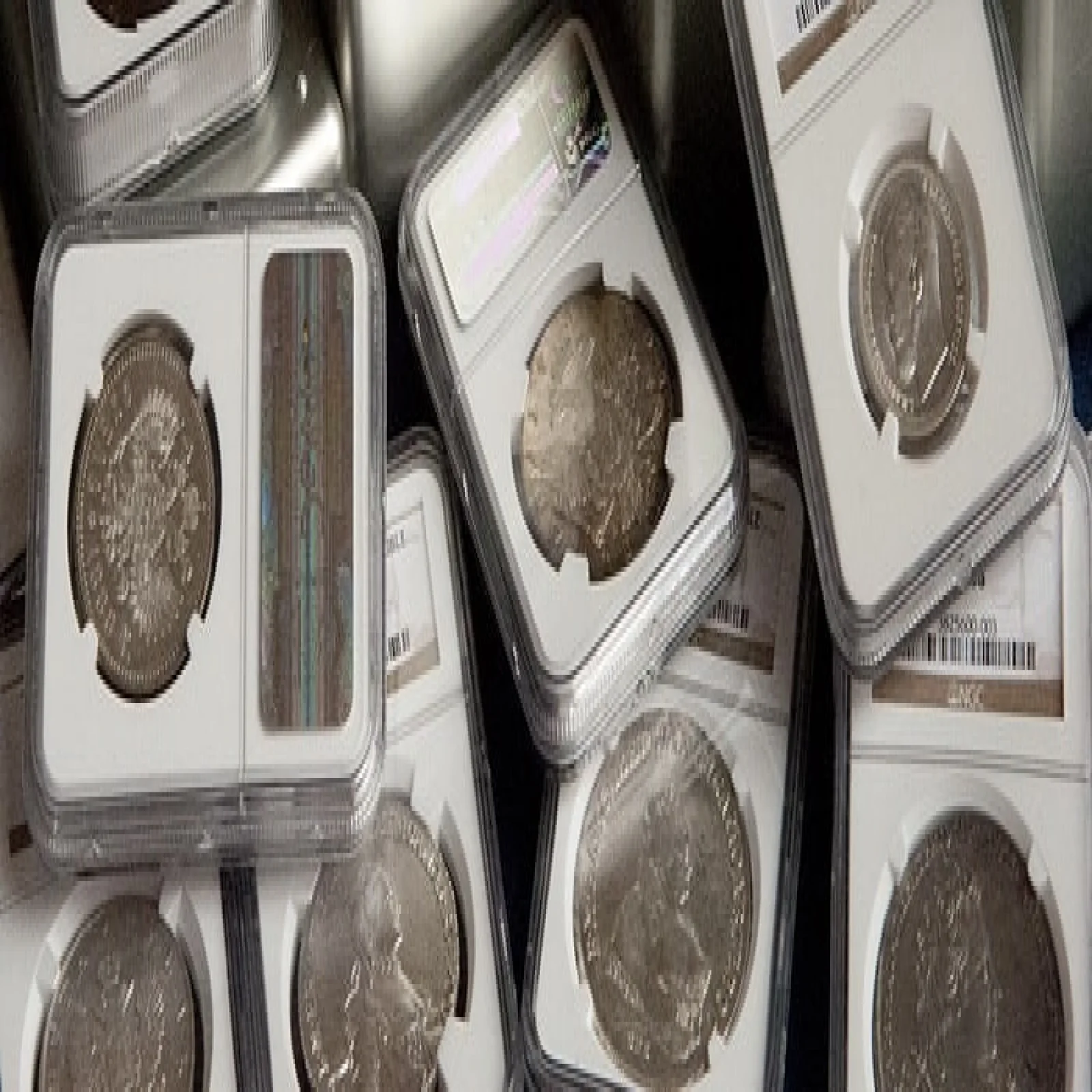
Third-party grading promises two things: authentication and standardization. For many collectors, that promise is valuable. For others, it is unnecessary cost. A professional collector needs a clear decision framework to determine when grading services enhance value and when they do not.
What Third-Party Grading Actually Provides
A reputable grading service delivers authentication by trained experts, a standardized grade, and encapsulation for long-term protection. The label itself becomes a transferable trust signal, particularly in online or international transactions where buyers cannot inspect the item in person.
When Third-Party Grading Adds Value
Certification is most useful in high-risk or high-value situations. You should strongly consider it when:
- The item is rare, high-value, or frequently counterfeited.
- The condition is strong enough to command a premium grade.
- You plan to sell across regions or to a global buyer base.
- You want a neutral expert assessment to reduce disputes.
In India, this is most relevant for key-date coins, premium-condition notes, and pieces intended for international sale.
When Third-Party Grading Does Not Add Value
Certification is less useful when the item is common or low-value. In these cases, grading fees, shipping, and wait time can outweigh any premium. Avoid third-party grading when:
- The item's value is close to or below the grading cost.
- The condition is average and unlikely to receive a top grade.
- The item is primarily for learning or personal enjoyment.
- Trust is already established within a local collecting network.
Details Grades and Their Impact
A "details" grade confirms authenticity but flags a problem such as cleaning, damage, or repairs. This can reduce market value significantly. If you suspect cleaning or repairs, reconsider submitting or price the item with a details outcome in mind.
The Full Cost of Certification
Grading fees are only part of the expense. Shipping, insurance, and the time cost of waiting all matter. For collectors who move inventory quickly, time-to-market can be as important as the grade itself.
India-First Considerations
The Indian market remains relationship-driven in many segments. Certification can open global demand, but it is not always required for local liquidity. Use grading strategically for premium assets rather than as a default for every acquisition.
A Practical Decision Framework
Third-party grading is worth it when at least one of these is true:
- You need global liquidity and standardized trust.
- The item is rare, expensive, or vulnerable to counterfeiting.
- A high grade will materially change the price outcome.
If none of these apply, self-grading and strong documentation are usually sufficient.
Collector's Checklist
- Pre-grade the item before paying for certification.
- Factor total cost, not just the grading fee.
- Expect a details grade if the item shows cleaning or repairs.
- Use certification to reduce risk in high-value deals.
- Keep certification records and receipts for provenance.
Third-party grading is a tool, not a default. Use it where it changes outcomes, and avoid it where it only adds cost.