
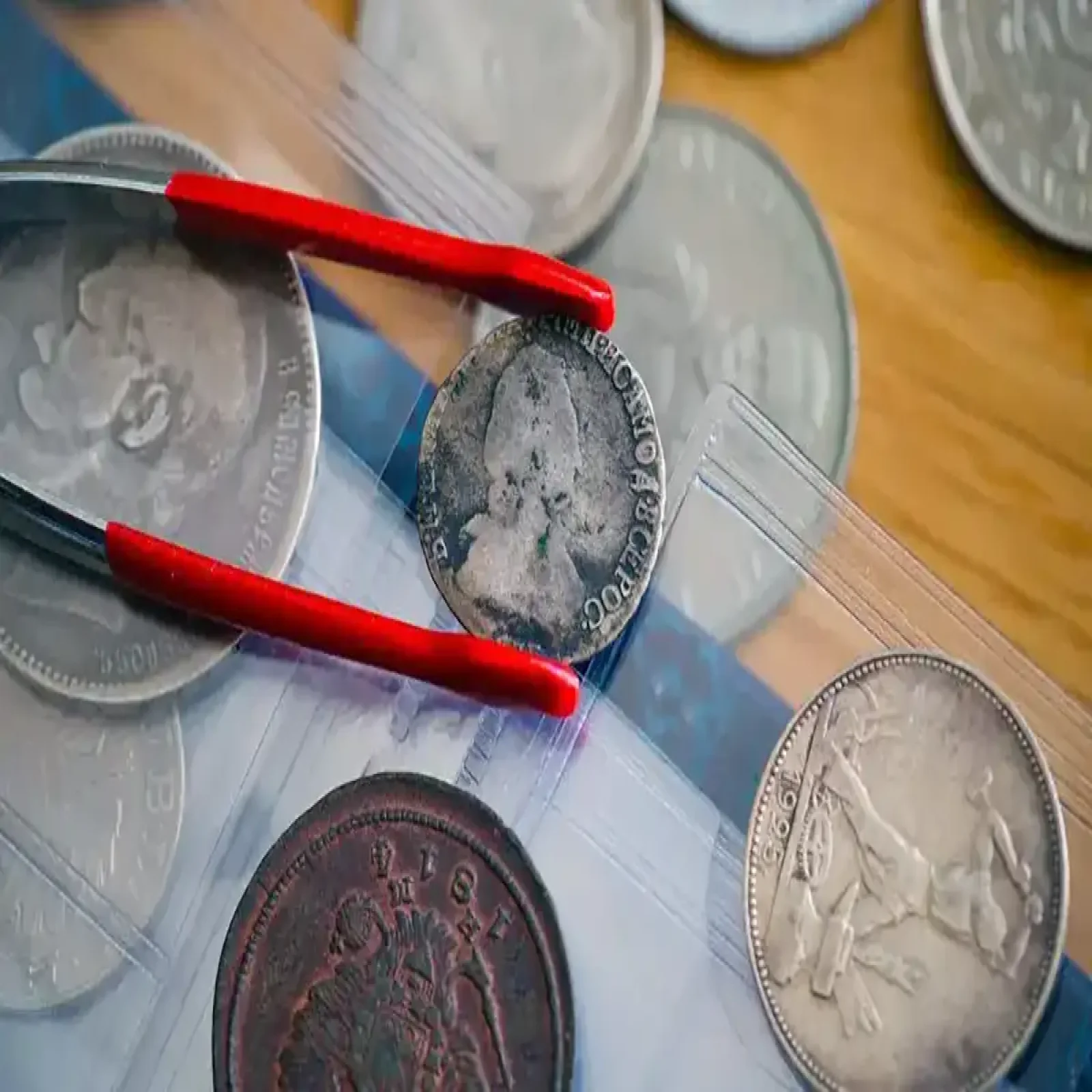
The fastest way to lose value is improper handling. Scratches, fingerprints, and folds are usually not the result of long-term storage—they happen during viewing, sorting, or display. A professional collector treats handling as a controlled process with clear rules.
Handling Principles That Protect Value
Whether you are a beginner or advanced collector, the principle is the same: touch as little as possible, and only in controlled conditions.
- Handle coins by the edge, never the face.
- Handle banknotes by the margins with clean, dry hands.
- Work over a soft mat to reduce drop risk.
- Keep food, drink, and oils away from the workspace.
Gloves: When to Use Them
Gloves reduce oils and fingerprints but can also reduce grip. For coins, nitrile gloves provide a safer balance between cleanliness and control. For banknotes, clean, dry hands or light cotton gloves are acceptable, but the key is avoiding moisture and oils.
Tools That Prevent Damage
Professional collectors use simple tools:
- Soft, lint-free cloth or mat on the table.
- Plastic tongs for coins when needed.
- Archival sleeves and rigid supports for notes.
- Magnification tools that do not require close contact.
Display Without Risk
Display is a form of exposure. Light, heat, and dust are the long-term threats. A proper display system reduces all three.
- Use UV-filtering glass or acrylic for frames.
- Avoid direct sunlight and high-heat lighting.
- Rotate displayed items every few months.
- Use sealed or enclosed display cases for coins.
Coins on Display
Coins should be displayed in capsules or slabs to prevent surface contact. Open trays are only suitable for short-term viewing. If you prefer open presentation for aesthetic reasons, limit exposure time and handle only by the edges.
Banknotes on Display
Banknotes should be mounted in archival sleeves before framing. Never use tape, glue, or direct pressure against the paper. Use acid-free backing and ensure the note does not rest directly against the glass.
Transport and Temporary Handling
Moving a collection is a common risk point. Use rigid storage, keep items separated, and avoid loose stacking. For coins, capsules and foam-lined trays prevent movement. For notes, rigid holders prevent bends and creases during transport.
What Not to Do
The most common mistakes are avoidable:
- Cleaning coins or notes for appearance.
- Handling with bare fingers during humid conditions.
- Storing displayed items in direct sunlight.
- Using non-archival plastic or adhesives.
Collector’s Checklist
- Handle coins by the edge and over a soft surface.
- Use nitrile gloves for coins; clean hands for notes.
- Display behind UV-filtering glass or acrylic.
- Rotate displays and limit long-term light exposure.
- Never clean or polish collectible surfaces.
- Use archival materials for framing and supports.
- Transport in rigid, separated holders.
Handling and display are part of collecting, but they must be controlled. The disciplined collector protects condition during every interaction, not just in storage.