
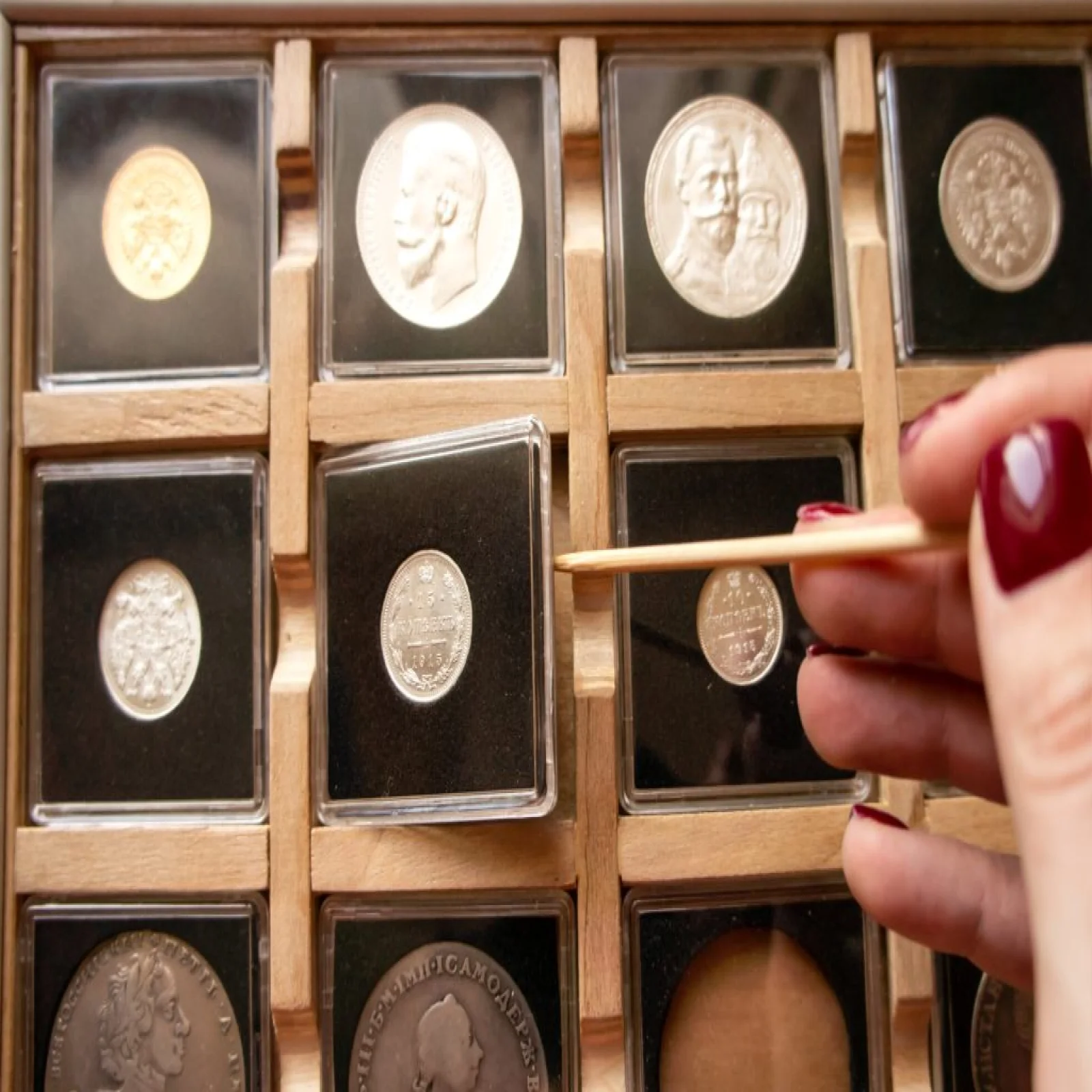
India’s climate is unforgiving to paper and metal. High humidity accelerates corrosion on coins and promotes foxing, waviness, and mold risks for banknotes. The difference between an average collection and a premium collection often comes down to storage discipline. Preservation is not about expensive equipment; it is about consistent, practical standards.
Why Humidity Matters
Humidity changes the chemistry of metal and the stability of paper. Coins can tone or corrode more quickly when moisture lingers. Banknotes, especially older issues, can warp, spot, or develop mildew if stored in sealed environments without moisture control. The result is not only visible damage but a permanent reduction in grade and value.
Create a Stable Micro-Climate
Your goal is stability, not perfection. Frequent swings in humidity are often more damaging than a slightly imperfect level that stays consistent. For most collectors, the best approach is a sealed storage box or cabinet that creates a controlled micro-climate with moisture control packs.
- Use airtight storage containers or archival-grade boxes.
- Add silica gel or humidity control packs and replace them regularly.
- Place a small hygrometer inside to monitor conditions.
- Keep storage off the floor and away from external walls.
Materials That Protect Value
Storage materials matter as much as the environment. Poor-quality plastics release chemicals that permanently damage coins and notes. Use only archival-safe materials.
- Coins: Inert capsules, hard plastic holders, or archival flips labeled PVC-free.
- Banknotes: Polyester, polypropylene, or Mylar sleeves; acid-free backing sheets.
- Albums: Choose acid-free, lignin-free paper and verified archival binders.
Coins: What to Avoid
Coins are most vulnerable to chemicals and moisture. Avoid:
- PVC flips and soft plastic holders.
- Rubber bands, adhesive tapes, or glues.
- Direct handling with bare fingers before long-term storage.
Even small traces of oil can leave permanent marks on higher-grade coins.
Banknotes: Flat, Supported, and Isolated
Banknotes should be stored flat whenever possible. Use rigid support to prevent bending and avoid stacking notes directly on each other without sleeves. A common failure point in humid climates is storing notes in cardboard or paper that absorbs moisture and transfers it back into the note.
Daily Conditions Matter
Do not store collections in kitchens, bathrooms, or areas exposed to sudden temperature shifts. Air conditioners reduce humidity but can cause rapid cycles if used intermittently. A stable, interior room with consistent air movement is better than a space that swings between damp and dry.
Inspection and Maintenance Routine
Preservation is a habit. A monthly check can prevent damage before it becomes visible:
- Inspect for early signs of spotting, haze, or odor.
- Replace desiccants as soon as they change color.
- Wipe the exterior of holders or cases, never the items.
- Confirm that storage seals are intact.
What “Safe” Really Means
Safe storage does not mean locked storage alone. It means a predictable environment, proper materials, and a routine. The collector who does these three things consistently will retain value across decades.
Collector’s Checklist
- Use archival materials only; avoid PVC and low-grade plastics.
- Create a sealed micro-climate with silica gel or humidity packs.
- Monitor conditions with a small hygrometer.
- Store collections off the floor and away from exterior walls.
- Keep banknotes flat and supported in sleeves.
- Inspect monthly for early signs of damage.
- Prioritize stability over perfection.
In India, preservation is not optional. It is the difference between a collection that holds its grade and one that declines silently. The good news: discipline and a few correct materials are enough to protect serious value.